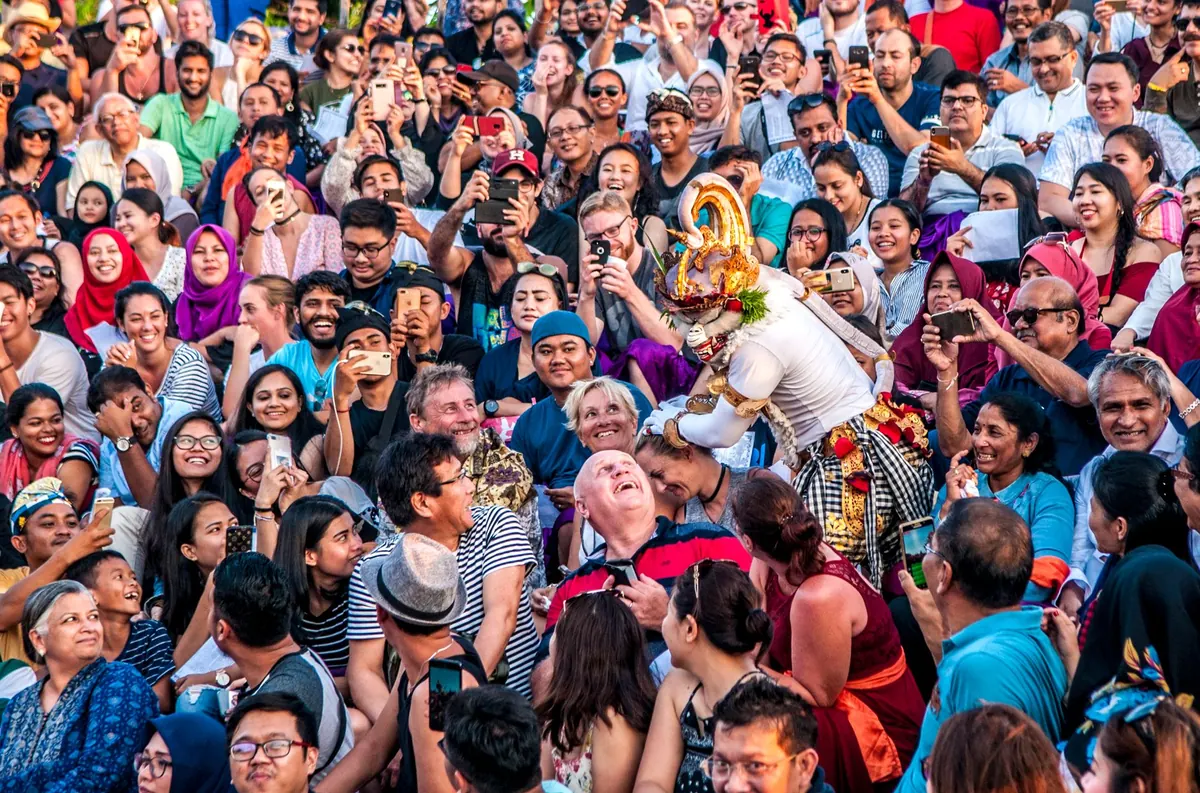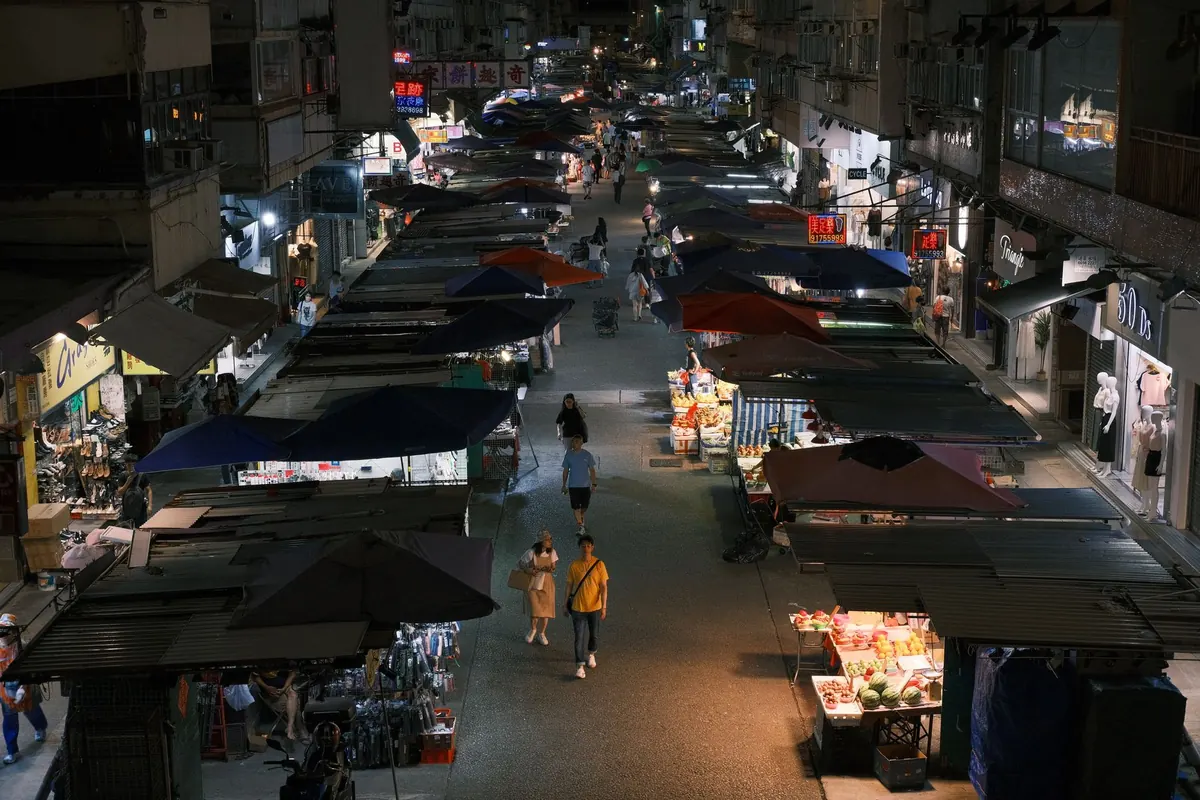
A market at eight in the evening and the same market at eleven are two different places. Early, you will find the charcoal just catching, the first trays coming out of the kitchen, and stallholders still shifting tables into position. Late, the smoke has settled into the street, the plates are stacked, and the crowd has loosened into something closer to a party.
Knowing which of those you want is most of the skill. The rest is smaller: how to queue, what to point at, when to sit down, and how to ask for something you cannot name. None of it is difficult, but all of it is easier with a little preparation. Here is how to eat well after dark without guessing your way from stall to stall.
Timing: The Best Hour Is Rarely the Busiest
Island markets tend to follow the heat rather than the clock. Some open in the late afternoon to catch families on their evening walk; others do not fill until well after nine, when the day's work is done and the temperature has dropped. A few run only two or three nights a week, often tied to ferry arrivals or the fishing boats coming in. Ask at your guesthouse which evening is the good one, because the answer changes from month to month.
As a rule, aim to arrive thirty to forty-five minutes after the stalls start cooking. The grills are hot, the first batch of fried food is out, and the crush has not yet arrived. Vendors often need time to set up, and many will serve before they are officially open — but some will wave you away with a firm "not yet," and it is worth respecting that. If you want to know the real start time, ask when the cooking begins, not when the market opens.
The last hour has its own charms. Prices on produce and bread sometimes soften, and the mood among the stallholders is more relaxed. But do not turn up fifteen minutes before closing expecting the full fish selection. It has been picked over, and the best of it left with the people who got there at eight.
Order What the Queue Is Ordering
Every market has a short list of things genuinely worth eating and a longer list of things that exist mainly because visitors buy them. The difference is usually visible: volume. A stall doing one thing well — grilling small fish, frying dough, stuffing flatbreads — with a line of people who clearly live two streets away is worth your time. A menu in four languages with photographs and nobody waiting is not a scandal, just a lower priority.
You will see the same handful of categories almost everywhere. A charcoal grill, where whole fish, squid and skewers are cooked to order. A fryer, producing croquettes, fritters, battered vegetables or something sweet. A flatbread station, folding hot bread around whatever the island grows or catches. Somewhere nearby, a pot of something slow-cooked, and a corner selling cut fruit or ice cream to finish.
For seafood, buy from the busiest stall, eat it while it is hot, and ask for it cleaned if you are unsure how to deal with bones or shells. Avoid seafood that has been sitting cooked and lukewarm in a tray; high turnover and cooking to order are your best guarantees. If you have allergies, a sensitive stomach, or a medical condition that affects what you eat, be selective, carry whatever you need, and ask about ingredients rather than assuming.
Three Ways to Eat More Without Ordering Too Much
- Order one item per stall and share it, then move on. Four people can cover a great deal of ground this way.
- Watch what comes off the grill in the five minutes before you join the line, and point at that.
- Ask the vendor what they would eat themselves. It is a fair question, asked sincerely, and rarely answered with the most expensive thing on the counter.
Ordering Without Guesswork
Most of the friction at an evening market comes from not knowing the system, not from the food. A short sequence makes it much easier:
- Watch one full cycle at a stall before joining. Where do you order, where do you pay, do you get a ticket or a number? Ninety seconds of observation saves a confusing conversation.
- Know the price before you commit. Point at a portion someone else is holding and ask. Prices are usually posted, but the portion size is what you actually need to see.
- Learn five words in the local language: hello, please, thank you, "this one," and "how much." That is enough for almost every transaction of the evening.
- Say how many people it is for. Portions designed for two are common; ordering one per person often means throwing food away.
- Carry small notes and coins. Many stalls cannot break a large note early in the night, and a queue behind you will not enjoy the delay.
- Say whether you are eating there or taking it away. It changes the packaging, the plate, and sometimes the price.
- Pay when you order unless told otherwise. If a stall runs a tab system, they will let you know.
Etiquette at the Table and in the Queue
Queue norms vary, and the only reliable method is to look at what everyone else is doing. Some markets form a single line per stall; others expect you to catch the vendor's eye and order from the side. If in doubt, ask the person in front of you where the line starts. It is a friendly question and almost always answered kindly.
Seating is the other flashpoint. In busy markets, a table is for people with food, not for bags or for a single drink nursed for an hour. If you arrive before your food, stand aside until it is ready. In many places it is normal to share a long table with strangers, and equally normal for the stallholder to fetch drinks from a neighbouring bar rather than serve them. Some stalls have no seating at all and no patience for people who create their own.
- Take your tray and rubbish to the bins; many markets have no staff clearing tables.
- Keep bags and prams out of the walkway. It is a working street, not a promenade.
- Ask before photographing people at work, particularly close up.
- Tipping is optional in most market settings and expected in very few. Rounding up is always welcome.
- If something is genuinely excellent, say so. It lands better than any review.
The Second Lap: Drinks, Dessert and the Late Hours
Dessert tends to arrive later than dinner. Look for the dough going into hot oil, the pastries with syrup, the ice cream cart that appears once the crowd thickens. Local drinks are worth trying on the spot rather than at a bar: a small glass of something distilled from what the island grows, a cold beer poured into a plastic cup, a sweet fortified wine.
After ten, the food stalls thin out and the drinking begins in earnest. If you plan to stay, note where the taxis wait and what time the last bus or ferry connection leaves, because the tail end of a market night is not the moment to start working it out. Keep some cash back for the ride home.
A Five-Minute Routine Before You Go
Walk the whole market once before buying anything. You will pass a dozen stalls you would otherwise miss, spot the ones with the longest local queues, and notice which side of the street is quiet enough to eat on. Then decide, and go back.
Before you leave your room, do four quick things: check which nights the market runs, put a modest amount of cash in small notes in one pocket, agree a meeting point if you are in a group, and eat a light lunch so you arrive hungry rather than ravenous. If you have dietary restrictions, write them down in the local language and show the note rather than trying to explain it over sizzling oil.
That is the whole method. Arrive early enough to watch, late enough to feel the market fill, order what the queue is ordering, and eat it standing up while it is hot. The best meal of the night is rarely the one you planned.
Photo: Tito Zzzz / Pexels