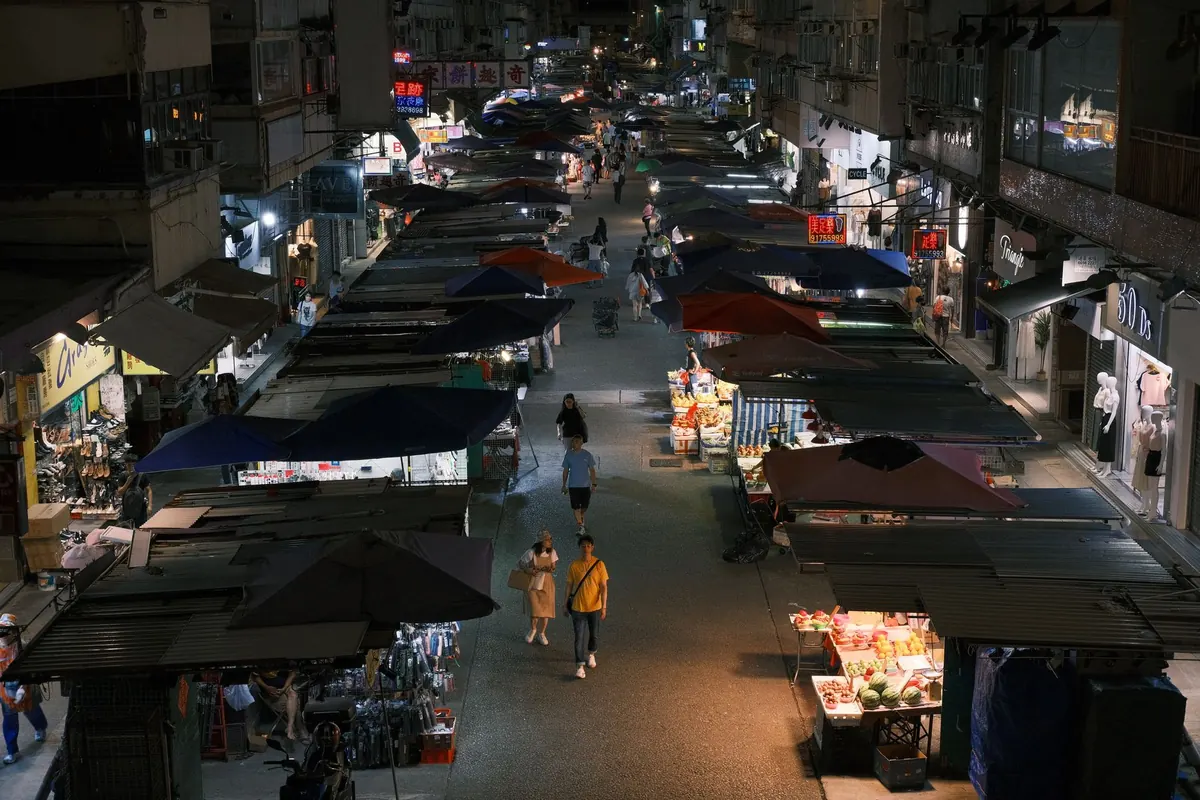
You hear it before you see it. A door propped open with a plastic chair, three musicians squeezed between the cigarette machine and the wall, and a room of maybe twenty people who all seem to know each other. You are standing in the street deciding whether it is polite to walk in. It is. That is roughly how island evenings work.
Finding live local music on a small island is less about research and more about sequence: who you ask, when you ask them, and what you do with the answer. The big venues advertise. The good nights are usually announced by a sheet of handwritten paper in a bar window. Here is how to find those nights without spending your week refreshing a tourism page that still lists last summer's festival.
Start Where There Is No Website
Every island has a handful of places that never appear in a search result: the social club behind the church, the bar with six tables and a drum kit wedged in the corner, the courtyard the diving school uses for its end-of-season party. They do not advertise, because they do not need to. What they have instead is a person behind a counter who knows exactly what is happening on Saturday.
So begin with the places you are already using. The bakery where you buy bread in the morning. The hardware shop. The laundry. The ticket office at the port. The man repairing an outboard motor on the quay, who seems to know everyone. These are not music venues, and that is precisely why they are useful — the people working there are not being paid to promote anything, so what they tell you tends to be true.
Ask in the morning, not at midnight. Ask face to face, with your phone in your pocket. And be specific about what you want: live music, played by people in the room, as opposed to a playlist, a DJ, or a television showing football with the sound off. On many islands "music" covers all four, and you will be sent to the wrong door if you are not clear.
Ask Like a Resident, Not a Visitor
Wording matters more than you would think. "Where is the nightlife?" tends to send you to the one bar with a cocktail list and a laminated menu. "Is there anything live on this week? Even something small" gets you a real answer, often followed by a second answer once the person decides you are genuinely interested rather than collecting recommendations.
Two habits make the biggest difference. First, ask about the week rather than tonight — small islands do not run a gig every evening, and the good one may be on Thursday. Second, ask two or three different people. Answers overlap, and the overlap is where the truth is.
If you have a few words of the local language, use them badly and without embarrassment. The phrase for "live music" or "gig" is worth learning before you arrive. And do not dismiss the things that sound unpromising: a saint's day procession with a brass band, a village choir in a church, a retiring fisherman's birthday party in a courtyard can all be the best two hours of your trip. Ask when it starts and whether outsiders turn up. Usually the answer is yes.
Read the Windows, the Boards and the Fridge Door
Island announcements live in physical places. Once you start looking, you will see them everywhere — a photocopied flyer taped at eye level, a chalkboard leaning against a step, a poster with the year changed by hand. Check these spots as you walk:
- The supermarket entrance and the post office window, where anything official gets pinned.
- The fridge door or till area of the bar you have been drinking in.
- The church noticeboard, which often carries concerts, choir evenings and feast-day programmes.
- The harbour office or ferry terminal, especially for anything tied to a festival.
- The community centre or cultural association, if you can find it open.
- The free local paper or listings sheet, usually weekly and usually free.
- The venue's own social media account rather than the island's tourism account — a bar that posts its own gigs is worth following for the week you are there.
Photograph anything with a date you cannot read, and ask someone later. Half a poster is still a lead.
Timing: Late Starts, Early Finishes
Take the advertised start time as a suggestion. In many places the hour on the poster is when the doors open or when the musicians are still carrying in the speakers. In summer, on Mediterranean islands, music rarely begins before ten in the evening and often later; dinner comes first, and dinner is not hurried. In winter, the opposite: things start earlier and finish well before midnight.
What actually governs your night is the transport. The last ferry, the last bus, the one taxi, the walk back along an unlit road — those decide when you leave, not the band. Work out your return leg before you go out, not at one in the morning with a flat phone. Off-season, also check whether the place you are heading to is even open; a bar that is packed in August can be dark in October, and nobody updates the internet about it.
Reading a Room in Five Minutes
When you find a likely door, look before you commit. A few signals tell you what kind of night it is:
Amps and a tangle of leads near the wall mean someone is playing properly. Chairs pushed back to make a space, rather than arranged in rows, mean dancing is expected. A group at the table nearest the door who greet everyone coming in are usually the musicians' friends and family — a good sign that this is a local night rather than a tourist performance.
Then go in, buy something, and sit at the bar rather than at a table. The bar is where conversation happens, and it is the easiest place to ask the person next to you what you are listening to, who is playing, and whether there is anything on tomorrow.
Money works differently in small rooms. Sometimes there is a modest entrance charge, sometimes a hat goes round, sometimes the band is paid by the bar and the deal is simply that you keep buying drinks. Carry cash in small notes. If a collection comes past, put something in it.
Plan a Loop, Not a Reservation
Do not build the evening around one venue. Build it around a small area you can walk, with two or three options in it, so that a closed door or a quiet room costs you ten minutes rather than the whole night.
- Choose a base within walking distance of two or three candidate bars.
- Eat early. Kitchens on small islands often close before the music starts.
- Confirm the return leg: last boat, last bus, taxi number, or a torch for the walk.
- Take cash and a charged phone, and leave the second round of research for the bar.
- Keep one backup option that you know is open late, so the night has somewhere to go if the first room is empty.
The Short Version Before You Go Out
Ask in the morning at the bakery and the bar; ask about the week, not just tonight. Check the post office window and the fridge door. Assume a late start and an early last bus. Carry cash. Walk into the room with the leads on the floor, sit at the bar, and talk to whoever is standing next to you.
And behave like a guest who might come back. Watch the set instead of filming all of it, keep your voice below the guitar during the quiet songs, and thank the person who told you where to go. On an island, that conversation is how the next night gets found — often by someone who will remember your face and wave you in.
Photo: flaviopantera7 / Pixabay