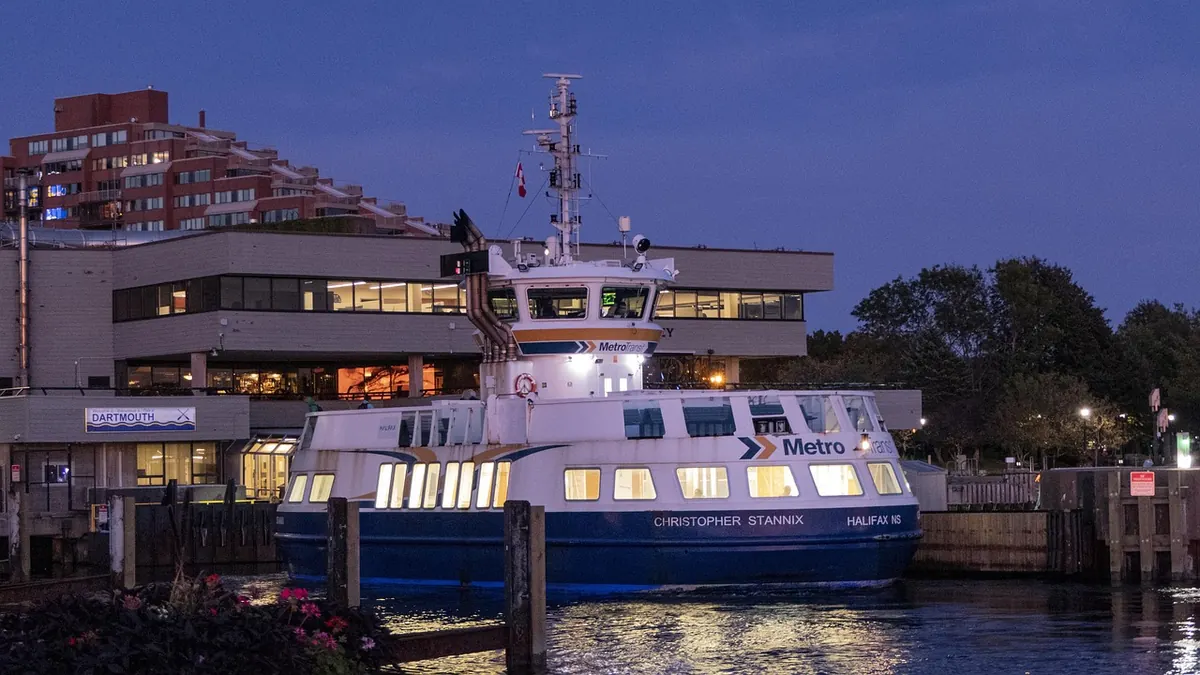
A ferry ticket looks like the simplest purchase in travel. Choose a time, pay, get a QR code, show up. Then the wind picks up overnight, the 07:20 hydrofoil disappears from the board, and the only remaining crossing leaves from a different terminal three hours later. Islands are wonderful precisely because the water makes them a little inconvenient, and the travellers who enjoy them most are the ones who planned for that inconvenience instead of being surprised by it.
What follows is the checklist worth running through every time you book a crossing — not just the booking itself, but the timings around it and the plan B you hope stays unused.
Start With the Route, Not the Ticket Price
Before comparing fares, work out which route you actually want. Islands with more than one port can put you an hour from your accommodation if you pick the wrong one, and "the island" on a booking screen is not always the pier you pictured. Check the arrival port against a map, then check how you get from that pier to where you're sleeping.
Two operators often serve the same crossing with very different vessels. A fast passenger hydrofoil might take half the time of a car ferry but cancels sooner when the sea turns choppy. A slower ferry with vehicles is less glamorous and considerably more reliable in shoulder season. If you're travelling with a car, confirm the vehicle deck is actually available on the sailing you want — some fast services take passengers only.
Season matters more than most people expect. Summer timetables can be dense, with several crossings a day; winter timetables may shrink to one or two, and the last boat of the day leaves embarrassingly early. Look at the timetable for your exact travel dates, not the one you found in a blog post from three summers ago.
Routes worth a second look
- Direct crossing versus a connection through a larger island hub — often cheaper, rarely faster.
- Two different ports on the same island, with different transfer times at each end.
- Departures from a secondary port on the mainland, which can be quieter but harder to reach by public transport.
What to Confirm Before You Pay
The booking screens are usually fine. The gaps are in the details people skim. Run through this list while the payment page is still open:
- Date and departure time, in the operator's local time zone, not your phone's.
- Departure port and terminal — some ports have separate areas for ferries and hydrofoils, and they are not always walkable in ten minutes with luggage.
- Arrival port, matched to your map and your transfer.
- Passenger names spelled as they appear on the ID you'll carry.
- Foot passenger or vehicle, and if a vehicle: length, height, and registration plate.
- Boarding time versus departure time. These differ, sometimes by a lot, especially for cars.
- Single, return, or open return — and whether the return date must be fixed at booking.
- Luggage limits, which exist on some fast services in peak season.
- Fare conditions for changes and refunds, which is the next section.
Save the confirmation somewhere that works without signal. A screenshot in your photos folder beats an email you can't open at a windy pier.
Timings: Build a Buffer You Won't Regret
Arriving at the port is not the same as being on the boat. As a rough guide, foot passengers at a busy summer port should aim to be there well before boarding starts — enough time for a ticket queue, a coffee, and a gate change. With a car, add the queue for the vehicle lane and the fact that loading starts early and closes firmly.
The bigger timing question is what happens on the far side. Don't book a tight connection between a ferry and a flight, a train, or a long-distance bus. Weather delays compound: a forty-minute slip can become a missed train, and the airline will not care why you were late. If the island is your destination and the flight home is the next day, consider taking the last-but-one crossing rather than the last.
One quiet rule: on the day you must leave the island, leave early. The final crossing of the day is the one everybody wants, and it's the one most likely to be full, delayed, or cancelled.
Fare Rules, Changes, and Refunds
Cheap ferry tickets are usually cheap because they are rigid. Flexible fares cost more and let you move your sailing; promotional fares often don't, or allow a change for a fee up to a cut-off. Before you choose, ask yourself honestly how likely your plans are to shift. If you're booking months ahead for a family group, the flexible fare is often worth it simply for the peace of mind.
Check specifically whether a cancellation by the operator is refunded in cash, credited as a voucher, or rebooked onto the next available sailing. Policies vary between companies and sometimes between fares on the same company. Read the line about weather before you need it — and if the money matters to you, ask the operator directly rather than relying on a forum thread. For anything involving insurance claims, your insurer is the right place to ask; general advice won't cover your specific policy.
Keep the booking reference and the card you paid with handy. Changing or claiming on a booking is much slower when you're reciting numbers from memory at a ticket window.
Build the Backup Plan Before You Need It
This is the part almost nobody does, and it takes about fifteen minutes.
- Know a second operator on the same route, and where its ticket office is.
- Know a second port — a nearby mainland town with crossings to the same island is a genuine escape route.
- Note the first and last crossings of your travel day, in both directions.
- Check your accommodation's cancellation window, in case you arrive a day late or leave a day earlier.
- Carry some cash for a local ticket, a taxi, or a snack during an unexpected wait.
- Charge a power bank and download offline maps of both the port and the island.
If your whole trip depends on one specific sailing, consider whether a night near the port at either end is cheaper than the stress of a tight plan. It often is.
On the Day: Watch the Weather and the Board
Check the operator's website and social channels in the morning, then again a couple of hours before departure. Fast services are usually the first to be suspended when wind and swell build, so if you're booked on a hydrofoil, look at the slower ferry timetable too — it may still be running.
At the port, the printed board is the authority and announcements are often in the local language. Position yourself near the ticket office rather than the cafe, and if a cancellation is announced, join the queue immediately; the people who wait to finish their coffee are the ones still standing there at noon. Ask a staff member for the realistic next option, not just the official one — they know which sailings are already full.
The Five-Minute Pre-Departure Check
Before you leave for the port, confirm five things: the sailing is still running, the departure terminal is the one you think it is, your booking reference is saved offline, your ID and payment card are with you, and you have a plan for the next crossing if this one doesn't go. That last item is the one that turns a ruined day into an extra afternoon in a harbour town with a decent lunch. Ferries are part of island life, not an interruption to it — plan for the wobble, and the rest of the trip takes care of itself.
Photo: lintow / Pixabay